

The Spicer's Cabinet
I. The Ingredient
II. Origins & History
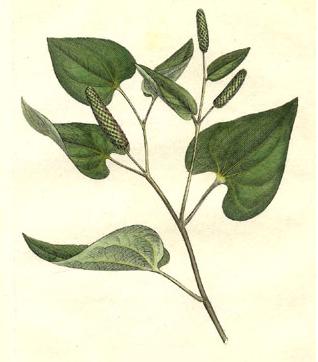
Before pepper meant only familiar round peppercorns, long pepper had a place in Mediterranean trade. PROSEA describes its high standing in Pliny’s Rome, where it was valued more highly than black pepper. Its unusual shape comes from numerous small fruits arranged together along a spike. The old name therefore denotes a different form of spice, not an elongated black peppercorn. Botanical and trade histories also distinguish Indian long pepper from the related Javanese species; a supplier’s species label matters when comparing their flavour.
III. The Flavour
Peppery warmth with an aromatic, slightly sweet and woody character. Its profile is rounder and more complex than a simple burst of chilli heat. Intensity varies with the spice’s freshness and species, so comparisons with black pepper should not be treated as a fixed strength ratio.
- Aroma
- Woody, warm and subtly sweet
- Texture
- Hard dried spikes; granular when ground
- Intensity
- Warming and persistent
IV. Culinary Affinities
Contemporary flavour suggestions, distinguished from documented historical combinations.
Meat: Beef, lamb and pork offer richness against its sustained warmth.
Vegetables: Mushrooms, roasted roots and squash carry woody spice well.
Fruit: Pears, apples and darker berries provide a sweet-acid counterpoint.
Grains & dairy: Barley, lentils, butter and cream soften its peppery finish.
V. Companions in the Mortar
Coriander and cumin offer earthy or citrus-like support. Ginger adds a brighter warmth; cardamom lends perfume. Build a small, clear combination rather than obscuring the pepper with every spice in the cabinet.
VI. The Alchemist’s Note
Break or grind food-grade long-pepper spikes as appropriate for your equipment. Start sparingly and taste; remove whole woody pieces before serving.
VII. Sources & Further Reading
- PROSEA — Piper; species, distribution and Roman spice history
- Kew — Pepper and related culinary Piper species
Reviewed October 2026. Historical imagery is not an identification guide.
Folio 13 · The Grimoire